

The digital landscape is evolving faster than ever. As we navigate through 2026, website design has moved beyond aesthetics alone, it's now about creating intelligent, adaptive, and deeply human experiences that connect with users on every level.
AI-Powered Personalization That Adapts
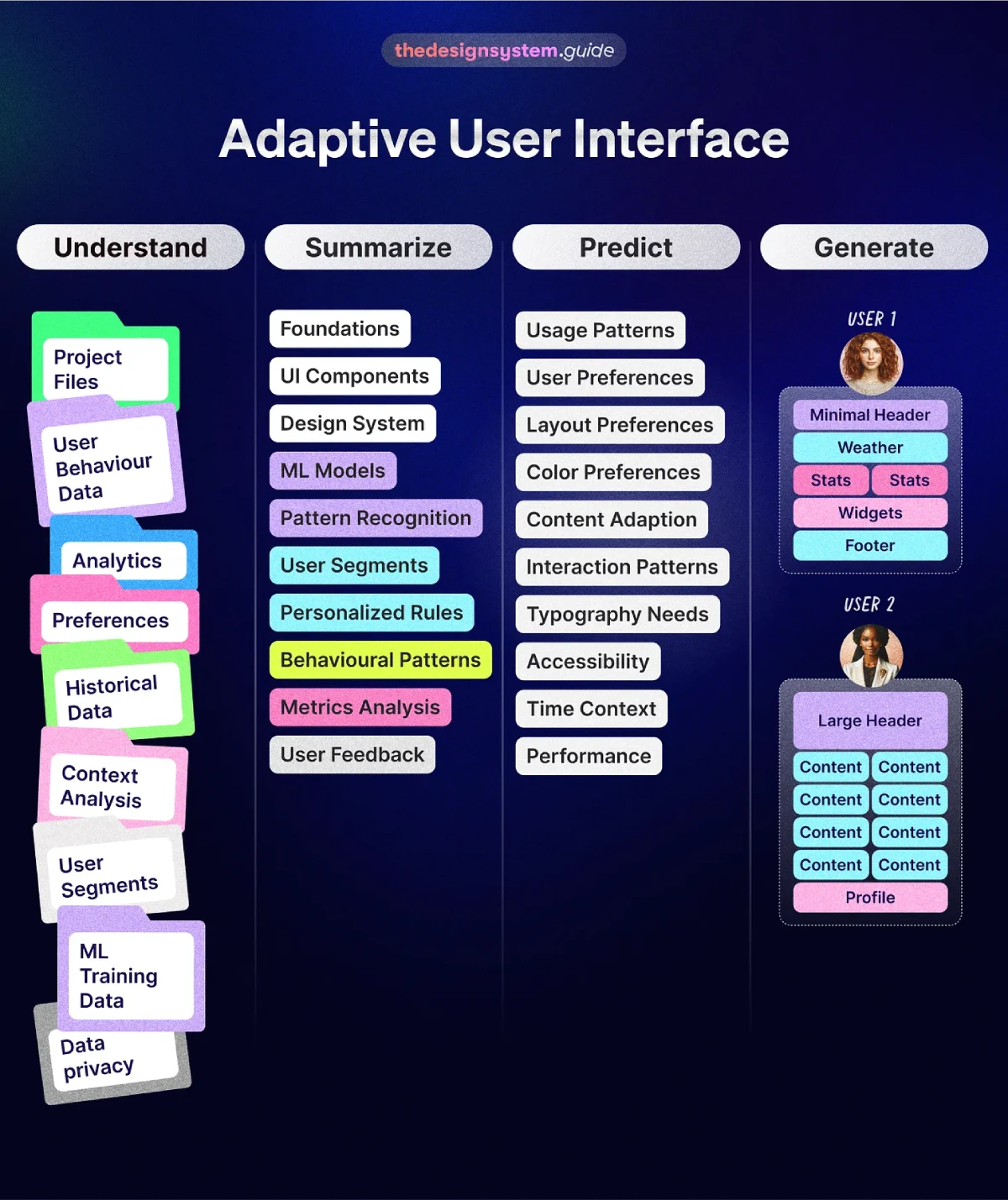
Websites are no longer one-size-fits-all digital brochures. AI-powered personalization transforms every visit into a unique journey, dynamically adapting content, layouts, and navigation based on real-time user behavior. This trend leverages machine learning to analyze browsing patterns, preferences, and past interactions, creating experiences that feel custom-built for each visitor. From e-commerce giants like Amazon showing products you didn't know you needed, to streaming platforms predicting your next binge-watch, personalization has become the baseline expectation. The technology now enables websites to adjust headlines, calls-to-action, and entire page structures on the fly, increasing engagement rates and conversions significantly.
Micro-Animations Bring Interfaces to Life

Subtle motion design has evolved from decorative flourish to functional necessity. Micro-animations, those small, purposeful movements that respond to user interactions, guide visitors through complex interfaces while adding delightful moments of engagement. Hover effects that enlarge clickable elements, scroll-triggered animations that reveal content progressively, and smooth transitions between page states all reduce cognitive load while keeping users engaged. Google's focus on Interaction to Next Paint (INP) as a Core Web Vital metric underscores how crucial these subtle animations have become for both user experience and SEO performance.
Immersive 3D Graphics Become Accessible
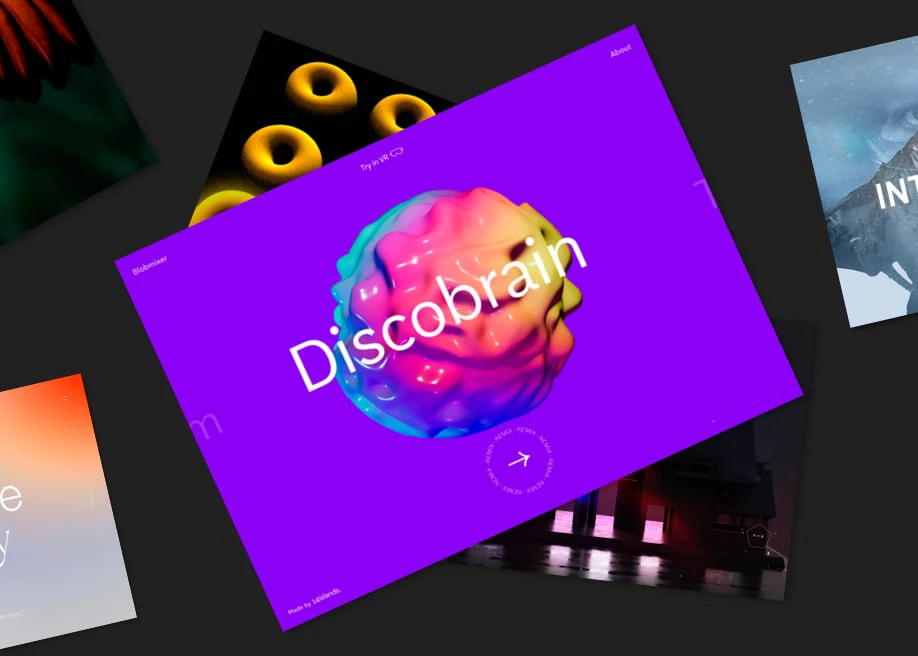
Once reserved for high-budget projects requiring specialized skills, 3D web design has democratized thanks to AI-powered modeling tools and accessible frameworks like WebGL and Three.js. Lightweight 3D elements now load quickly without sacrificing performance, allowing businesses to showcase products in interactive 360-degree views, create immersive brand experiences, and add depth through parallax scrolling effects. This trend transforms static pages into tactile, engaging environments that users can explore, making websites feel more alive and memorable while maintaining fast load times essential for modern web standards.
Organic Shapes Humanize Digital Spaces
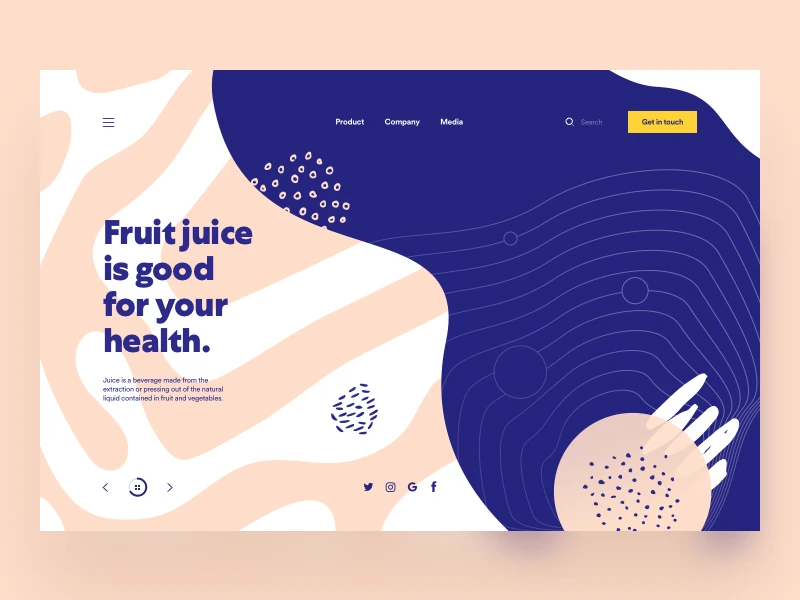
After years of rigid grids and sharp minimalism, web design is softening. Organic shapes, flowing lines, and anti-grid layouts bring warmth and approachability to digital experiences, reflecting a broader cultural shift toward human-centered design. Earthy color palettes featuring muted tones of clay, wood, and soil replace sterile white backgrounds, reducing eye strain while creating calmer, more natural reading experiences. This aesthetic movement away from machine-like precision helps brands differentiate themselves from AI-generated uniformity, reminding users that real people craft these digital spaces with intention and care.
Bold Typography Commands Attention
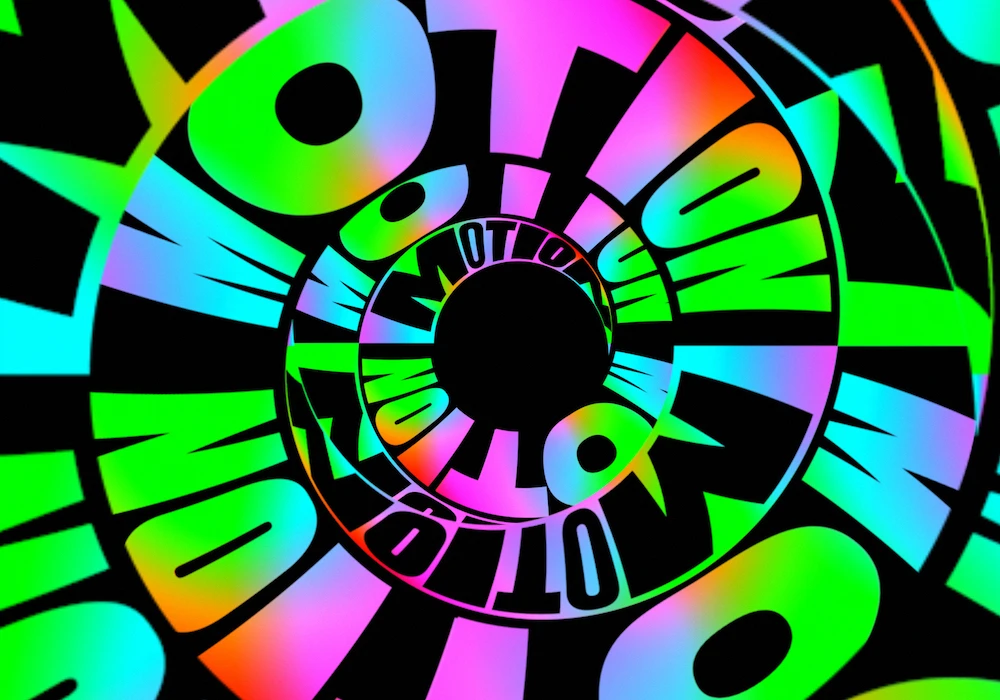
Typography has evolved from supporting element to primary visual anchor. Dramatically oversized headlines now dominate screens, creating exaggerated hierarchy that commands attention while tiny, delicate text invites closer inspection. This extreme contrast serves both aesthetic and functional purposes, the bold type makes strong visual statements instantly, while kinetic typography that shifts, stretches, and responds to scrolling transforms words into active storytelling elements. For brands competing in crowded markets, this trend offers a powerful way to communicate confidence and capture fleeting attention spans with impact that lingers.
Minimalism Evolves with AI Inspiration
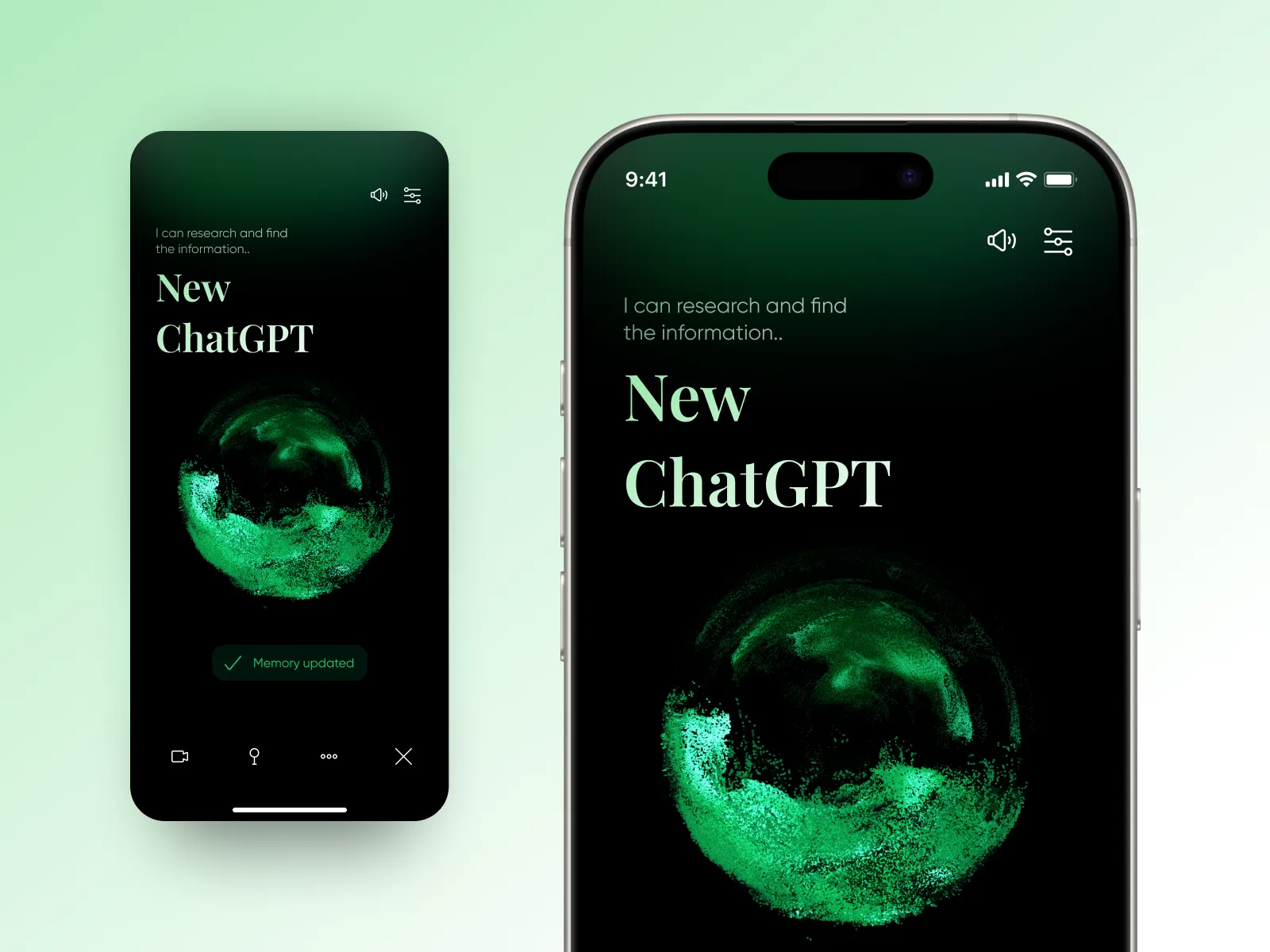
The clean aesthetic that defined web design for years is evolving under AI influence. Modern minimalism strips away unnecessary controls and options, focusing interfaces on single, clear actions that reduce decision fatigue. Inspired by conversational platforms like ChatGPT and Perplexity, this approach prioritizes effortless user flows over feature-packed interfaces. Generous white space, limited color palettes, and predictive elements that anticipate user needs create experiences that feel both sophisticated and approachable. This refined simplicity doesn't sacrifice functionality, instead, it channels complexity into intelligent systems working invisibly behind streamlined interfaces.
Dark Mode Becomes Standard Practice
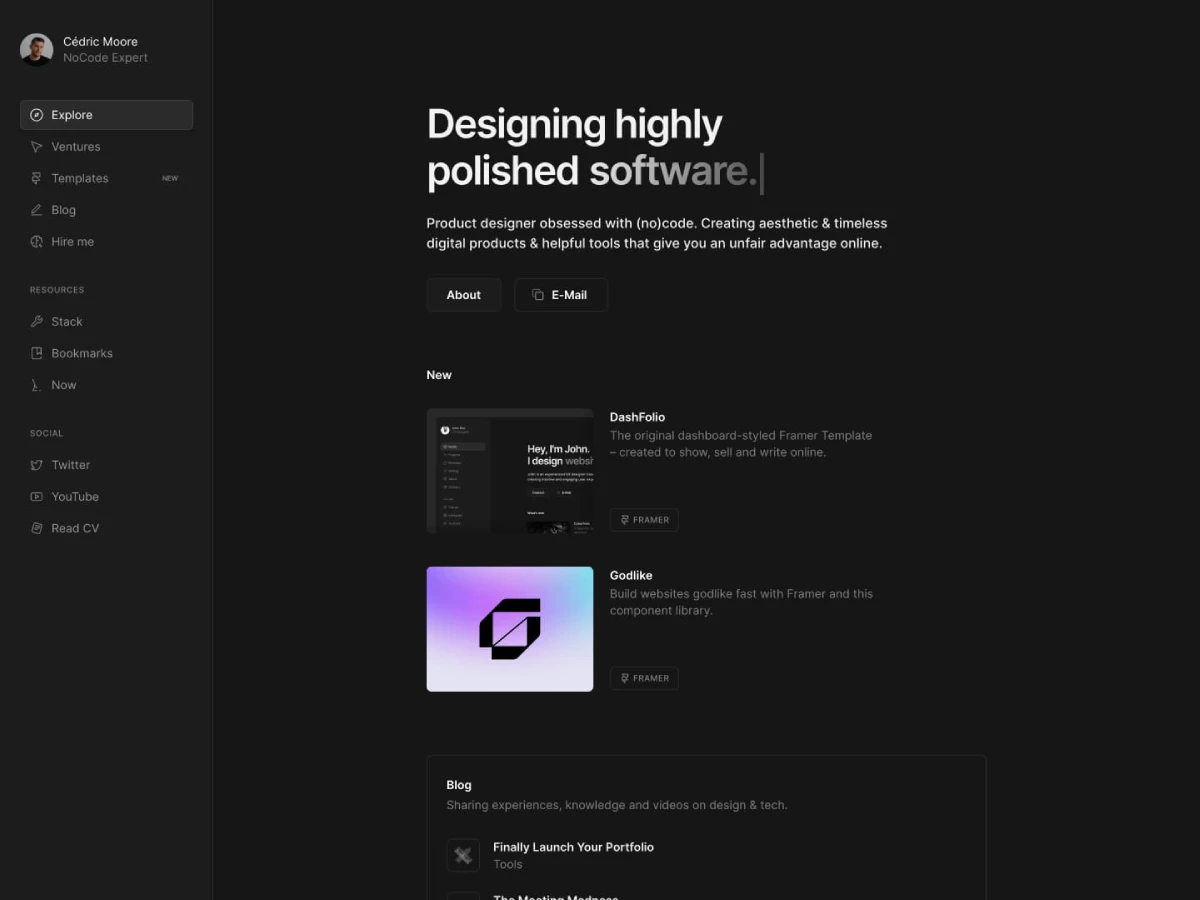
What began as a novel feature has evolved into an expected standard. Dark mode interfaces reduce eye strain during extended browsing sessions, extend battery life on mobile devices, and provide a sleek, modern aesthetic that many users prefer. Beyond comfort and practicality, dark backgrounds make vibrant colors and key design elements pop with enhanced visual impact. Forward-thinking businesses now design with dark mode in mind from the start rather than treating it as an afterthought, often offering seamless toggles that let visitors choose their preferred viewing experience.
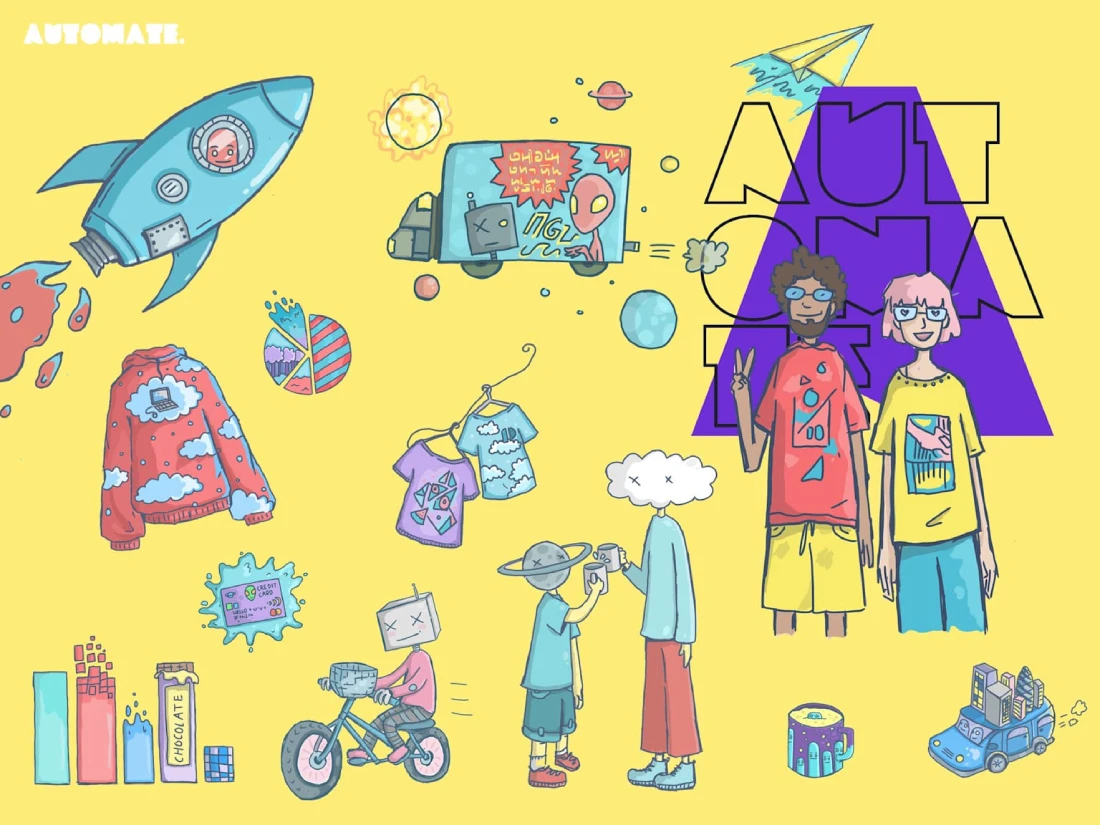
Illustrations Add Authentic Character
Conversational UI
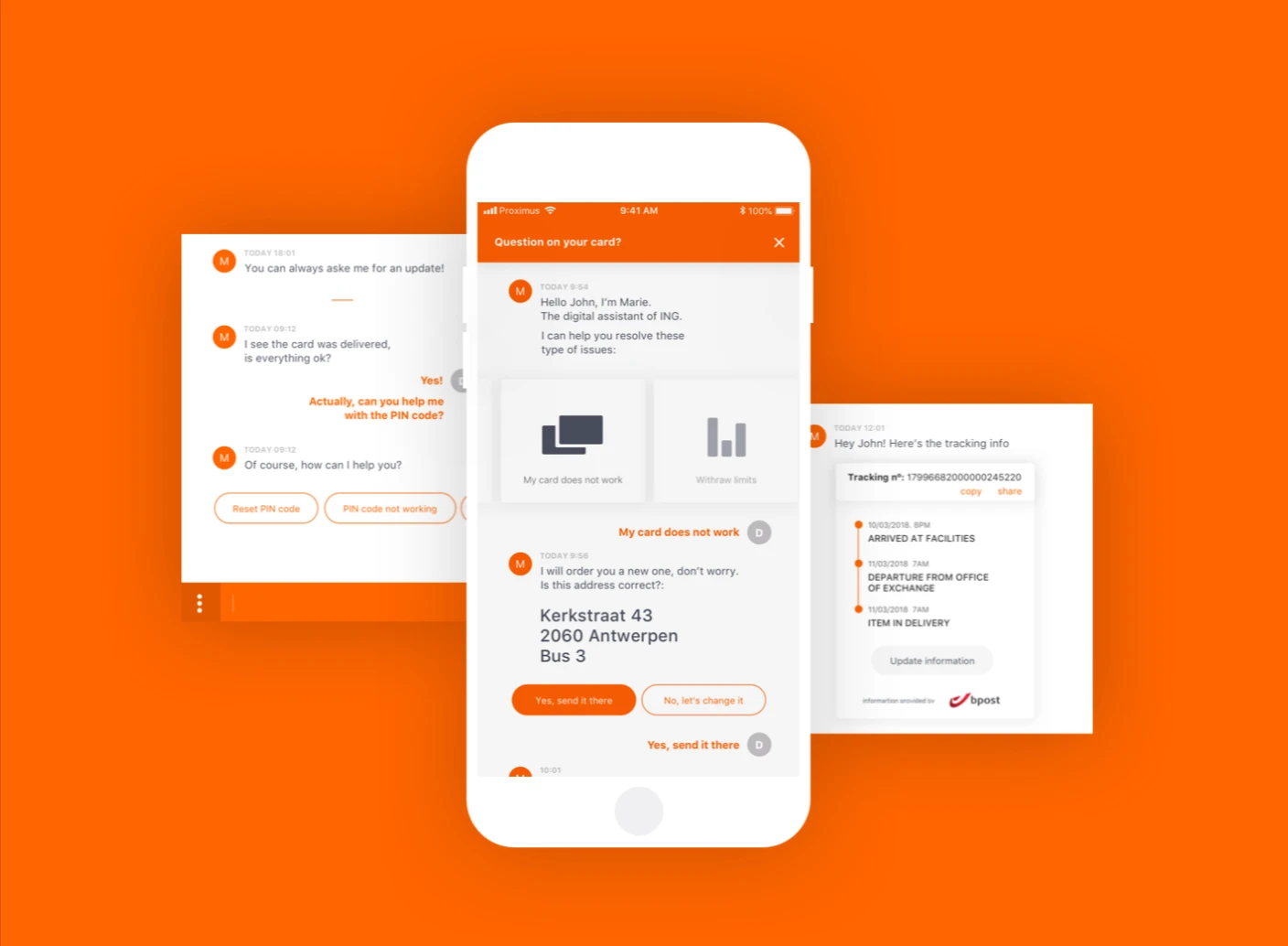
The web is becoming conversational. AI-driven chatbots and voice-enabled interfaces are transforming how users interact with websites, moving from static navigation menus to dynamic, intent-driven conversations. These systems understand natural language, answer questions instantly, and guide users through complex processes with ease. With 153 million Americans using voice assistants regularly and AI chatbots already saving businesses $2 billion annually, conversational interfaces represent both improved user experience and operational efficiency. The most effective implementations pair every answer with actionable next steps, creating seamless journeys that feel helpful rather than transactional, building trust while reducing friction at every touchpoint.
Conclusion
The web design trends defining 2026 reflect a fundamental shift toward experiences that are smarter, faster, more inclusive, and unmistakably human. As technology advances, the most successful websites will be those that balance innovation with empathy, leveraging AI and sophisticated design techniques while never losing sight of the people they serve. Ready to transform your digital presence with design that drives real results? Contact Road9 Media today and let's build a website that positions your business at the forefront of these exciting trends.