

It's the second week of the new year, and you're already dreading what your social media campaign will look like next month. Your competitors are posting daily, and just when you thought you had TikTok figured out, Instagram decides to copy it (again!). Welcome to social media marketing in 2026, where staying relevant feels like a full-time job.
There's a silver lining in all this: social media trends are, to some extent, actually predictable.
In this post, we'll walk you through 7 social media trends we expect to grow even more in 2026. We'll explain the how and why behind their momentum, how brands are already putting them to work, and what you can do to make them work for you, too.
1. YouTube Channel Memberships: Monetizing Exclusivity
YouTube Memberships allow followers to pay a monthly fee to their favorite channels in exchange for exclusive perks. Subscribers get badges, emojis, and access to members-only videos or live streams.
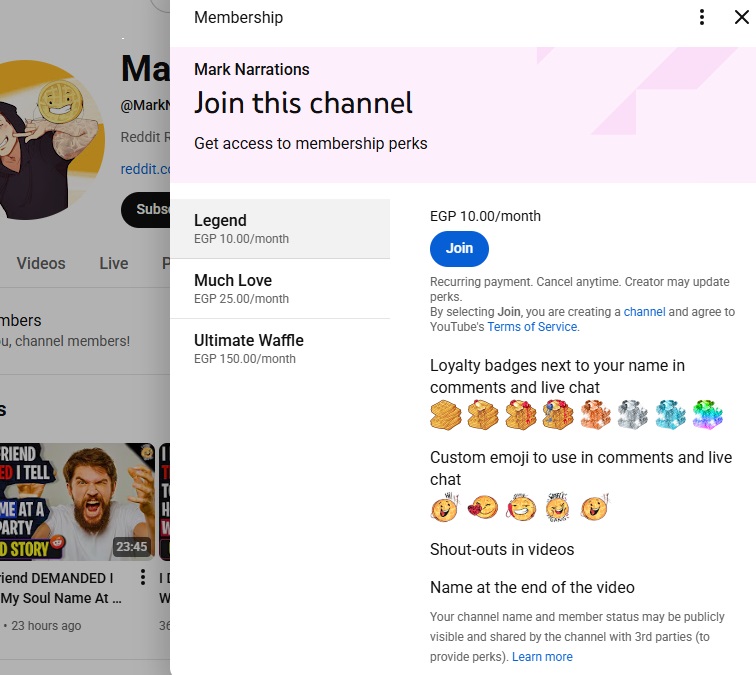
How It Was Before
For years, creators on YouTube focused on turning viewers into subscribers and relying on ad revenue or sponsorships to pay the bills. If they wanted direct support from fans, they had to send them off-platform to third-party sites like Patreon, Nebula, or Twitch.
Why YouTube Memberships Grew in Popularity
While YouTube technically launched Memberships back in 2018, the feature exploded in popularity over the last year. Why? Platform fatigue.
Users are tired of jumping between apps. They don't want to watch a video on YouTube, then log into Patreon to chat with the creator about it, and then switch to Twitch for a live Q&A. They want everything in one place. Even Twitch viewership has declined as viewers increasingly prefer catching highlight clips on YouTube the next day over watching full live streams.
How to Implement This Trend
You don't need to be a full-time YouTuber to use this feature. Here's how your business can leverage YouTube Channel Memberships:
- Host exclusive webinars or Q&A sessions for paying members
- Offer early product access or behind-the-scenes content
- Provide detailed training courses or tutorials available only to supporters
2. AI Fatigue Sets In
Even Merriam-Webster has had enough, naming "slop" (low-quality AI-generated content) the 2025 word of the year. AI fatigue is the growing consumer aversion to low-effort, AI-generated content. People are getting better at spotting generic AI copy and art, and they're punishing brands that use it to cut corners.
How It Was Before
When generative AI first hit the mainstream, everyone was excited. Brands rushed to automate everything, and quantity became the goal. Getting a whole year's content done in 1 sitting was a tempting offer that many couldn't refuse.
Why the Backlash Happened
The novelty wore off fast when several issues started to appear:
- Unethical usage: AI scraped artists' work without permission
- Environmental damage: Training models consumed massive energy
- AI hallucinations: They confidently generated wrong information (2 Rs in 'strawberry', really?)
- Job displacement: Human creators lost work to automation
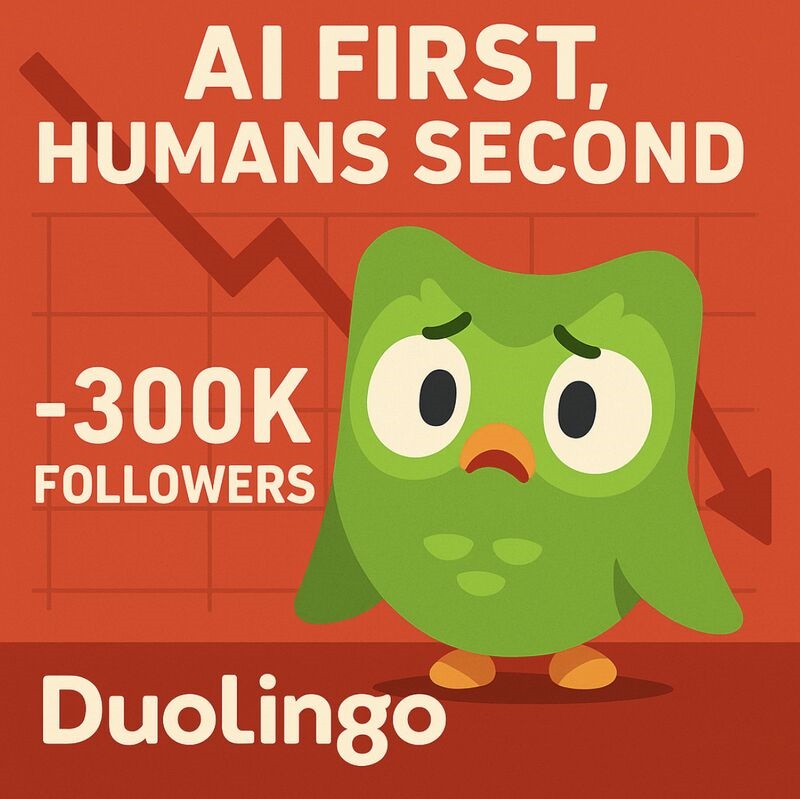
In late 2024 and throughout 2025, we saw major PR disasters for brands that over-relied on automation. Duolingo faced significant backlash after laying off human translators in favor of AI. Similarly, Deloitte came under fire for reports containing obvious AI hallucinations. Audiences now equate obvious AI content with laziness and inauthenticity.
What Businesses Should Do Now
We're not advocating for rejecting AI. Quite the opposite: use AI as an assistant; let it help you brainstorm ideas or organize data, but have real humans review everything before it goes live. Add your unique perspective and brand voice to every piece of content. If your audience feels you didn't care enough to create the content yourself, why should they care enough to read it?
3. Gen Z + Gen X = Wholesome Content
This social media trend involves brands featuring both Generation X (born 1965-1980) and Gen Z (born 1997-2012) in their video ad campaigns, creating content that bridges generational divides.
Why It Grew in Popularity
There's something refreshing about seeing older generations casually drop Gen Z slang or reference memes we wouldn't expect them to know about. It's wholesome, and it promotes connection between the young and old, not the young versus the old. Besides the feel-good factor, there's solid business logic: Gen X has more disposable income to spend and is getting increasingly active on Instagram and TikTok (not just Facebook).
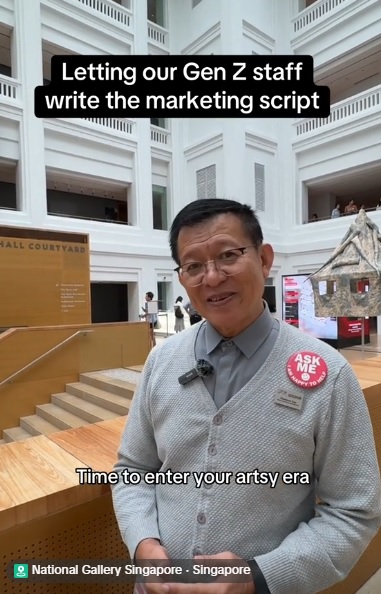
One example we love is when National Gallery Singapore posted a TikTok video with the caption: 'Letting our Gen Z staff write the marketing script,' featuring an older staff member who opened with 'Hey besties' and introduced several art pieces, using slang like 'Queen is giving us the side eye'.
How to Implement This Trend
- Feature real people: Include older models, employees, and creators in your campaigns alongside younger ones
- Use nostalgia strategically: Hook viewers with music and visual references from the '80s and '90s that Gen X remembers and Gen Z finds cool
- Create dialogue formats: Try content series like "Teaching my manager about TikTok" or "My intern explains Gen Z to me"
We break down how to create video content that resonates across generations in our guide: Top 10 Tips to Create a Viral Marketing Video.
4. The Decline of Mega-Influencers
Brands are reallocating budgets away from celebrities with millions of followers and toward User-Generated Content (UGC) and small-time content creators.
How It Was Before
Marketing used to be a numbers game. If you had the budget, you hired the biggest name you could afford. The logic was simple: more followers = more eyeballs.
Why We're Tired of Mega-Influencers
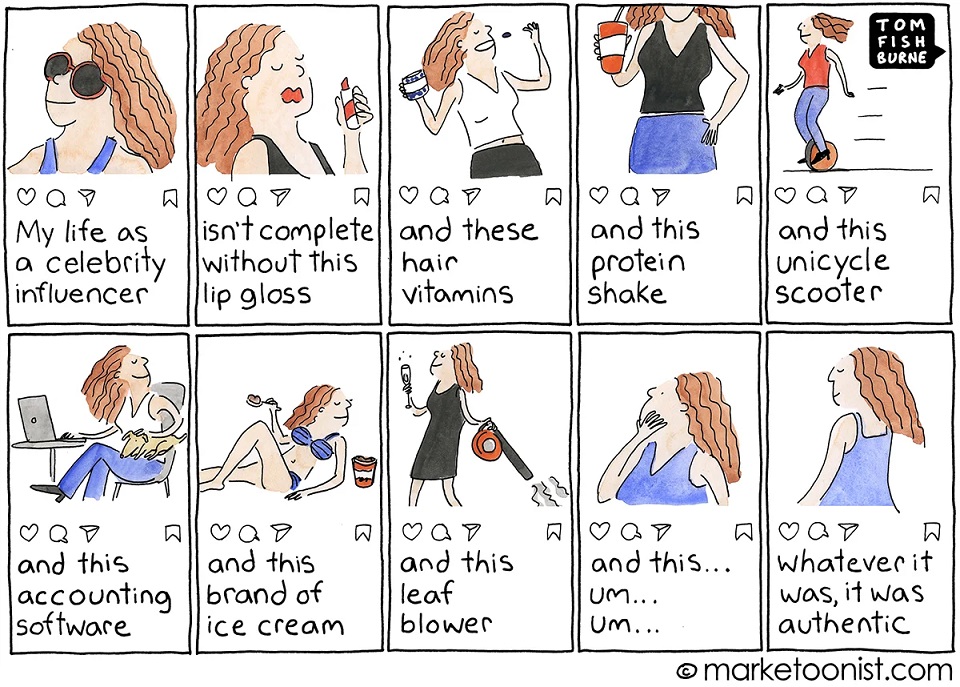
We used to love watching the lifestyles of the rich and famous. But given the current economic climate and global instability, those million-dollar brand deals now feel tone-deaf. Relatability is the new commodity. A celebrity promoting a shampoo they obviously don't use feels like a paid actor. A small-time content creator who replies to every comment feels like a friend.
At the same time, purchasing behavior has changed. Before buying, people scroll through comments, read reviews, watch unboxings, and look for proof that a product works in real life, not just looks cool in a studio shoot. User-generated content and reviews feel credible because they're unscripted and created by people with nothing to sell.
How to Implement This Trend
- Actively request reviews: Prompt customers to share feedback post-purchase
- Repurpose everywhere: Turn UGC into Reels, Stories, ads, website sections, and product pages
- Showcase social proof: Highlight comments, DMs, and testimonials as standalone content
- Partner with micro-influencers who align with your brand values. Look for creators in your specific niche who have authentic relationships with their followers.
5. Accountability & Humanitarian Values
Consumers want their favorite brands to have a conscience. This trend refers to the demand for businesses to take meaningful action during global crises rather than posting empty thoughts and prayers, or staying silent about issues their audience cares about. With global events like the crisis in Gaza and Sudan, audiences have become hyper-aware of where their money goes. They're actively boycotting brands that don't align with their values and supporting those that do. This is especially true here in the Egyptian market, where regional issues hit close to home.
How to Implement This Trend
If you want to show solidarity, do it through tangible action:
- Make financial commitments: Donate a percentage of profits to aid organizations
- Vet your supply chain: Partner with ethical suppliers who share your values
- Support local initiatives: Contribute to community programs financially or through volunteering
- Be consistent! If you only care about a cause when it's trending on Twitter, your audience will see right through it.
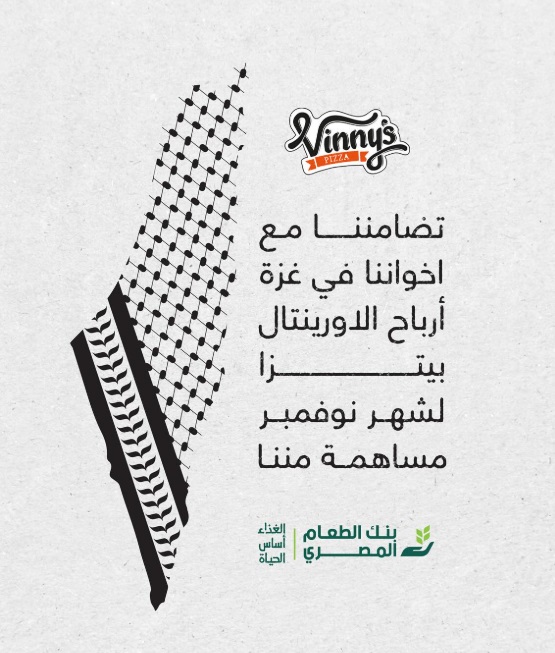
Vinny’s Pizza made its stance clear through both symbolism and action. Their logo prominently outlines the map of Palestine in solidarity, but more importantly, they back it up with tangible initiatives. In one campaign, Vinny’s dedicated a portion of profits to the Egyptian Food Bank's Urgent Relief campaign for the people of Gaza. They exclusively serve V-Cola in response to consumer-led boycotts. By aligning their business decisions, donations, and brand identity with causes their audience deeply cares about, Vinny’s demonstrates what accountability looks like in practice.
6. Stitching Ads After Viral Reels
This creative ad format involves brands taking a viral, non-commercial video (like a funny meme or a shocking clip) and stitching their own ad at the very end. It's nothing new, but it isn't showing signs of slowing down either.
How It Was Before
Ads used to look like... well, ads! They started with a logo or a product shot, which gave uninterested users an immediate signal to scroll past. You had about 0.5 seconds to hook them before they were gone.
Why Stitching Grew in Popularity
It solves the hook problem. By starting with a video that's already viral, you guarantee the user stops scrolling. Once you have their attention, you can pivot to showcase your product or how it solves the problem shown in the viral clip. The format works because it hijacks the viewer's curiosity. They came for the meme; they stayed for your thirty-second pitch.
How to Implement This Trend
Find viral clips that relate to your industry. If you sell cleaning products, find a viral video of a messy room. Stitch your video at the end, showing your product fixing the mess. Keep these tips in mind:
- Make smooth transitions: Jarring jumps from meme to ad will annoy viewers
- Use humor as a bridge: A witty comment connecting the viral clip to your product will make it natural
- Keep your portion short: Aim for 5-10 seconds maximum after the viral content
- Respect copyright: Use content you have permission to use, or create stitches using platform features that handle permissions automatically

We couldn't think of a better example for this than Tony from LCSIGN. He first gained popularity doing spot-on impressions of certain political leaders, but kept the views and laughs coming by stitching together viral reels, then followed them up with his pitch for LED signs. His approach to digital marketing has made LED signage content genuinely entertaining.
7. Social Commerce & Frictionless Checkout
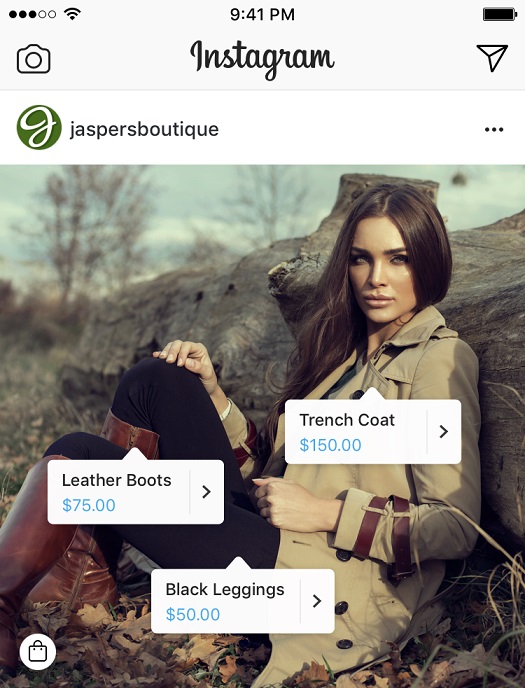
Social commerce is the ability to buy products directly within a social media app without redirecting to a website. This trend continues to transform how Egyptian businesses approach social media marketing.
Why Social Commerce Grew in Popularity
The standard funnel had five friction points: ad → link → website load → cart → checkout. Every extra step was a chance for the customer to get distracted, reconsider, or simply lose patience and drop off. The shift to in-app purchasing removes the biggest barrier to impulse purchases:
- Frictionless checkout: Users complete transactions without leaving the app
- Saved payment information: One-tap purchasing makes buying effortless
- Mobile optimization: Phone users especially prefer not switching between apps
- Increased conversion rates: Reducing steps from discovery to purchase drives both immediate sales and repeat purchases
- Lower cart abandonment: Fewer opportunities to drop off mean more completed transactions
How to Implement This Trend
Make buying as easy as possible by setting up native shopping features:
- Create product catalogs: Set up your full inventory on Facebook and Instagram Shops
- Tag products in content: Use the "Tag Product" feature in your Reels, Stories, and posts so users can buy what they see immediately
- Optimize product pages: Ensure high-quality images, clear descriptions, and accurate pricing
- Enable checkout features: Turn on in-app checkout wherever available for your region
For businesses focused on social media marketing in Egypt, pairing social commerce with retargeting strategies can significantly boost conversions. Learn more in our blog: Retargeting Ads: How to Win Back Lost Customers.
Prepare for Social Media Trends in 2026!
Needless to say, you don't have to implement all seven trends tomorrow. Pick the ones that fit your strategy, and commit to consistency. Execute the trends you choose well rather than spreading yourself thin trying to do everything. If you're a business looking to stay ahead of social media trends in Egypt and need help applying these strategies to your brand, contact our team at Road9 Media today.